Aluminium, fibreglass, wood, steel: an honest comparison
The same ten questions asked of four hull materials. No material wins all ten, and the one that wins most of them depends on how you use the boat.
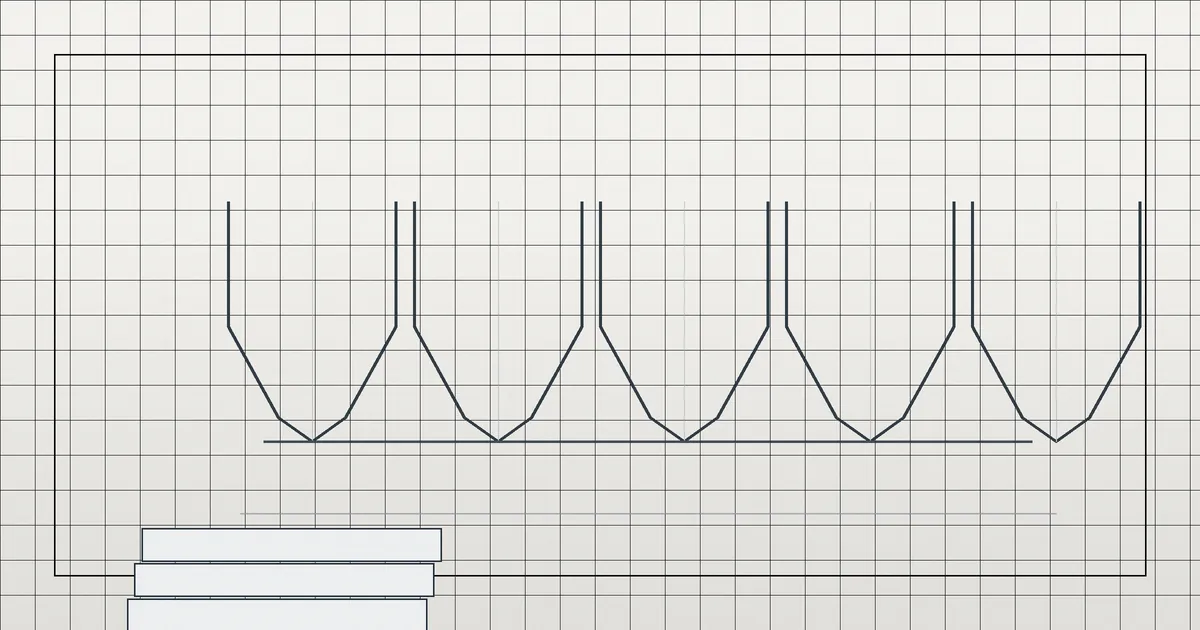
Every material argument ends up in the same place: it depends what you are doing with the boat. But the differences are concrete, and a table is the fastest way to see them.
| Question | Aluminium | Fibreglass | Wood | Steel |
|---|---|---|---|---|
| Weight | Lightest | Heavier | Heavier | Heaviest |
| Fuel use | Lowest | Medium | Medium | High |
| Osmosis | None | Possible | Likely | None |
| Fire | Does not burn | Burns | Burns | Paint burns |
| Repair cost | Low — weld a plate | High | High | High |
| Resale value | Holds | Falls with age | Falls fast | Falls |
| Cracking | Deforms, does not crack | Cracks | Splits | Cracks |
| Corrosion | Manageable with anodes | None | Rot instead | High risk |
| Rough water | Good | Fair | Fair | Good, heavy |
| Maintenance | Low | Medium | High | High |
How to read it
The two columns that matter most to a working boat are repair cost and resale value, because those are the two that compound. A hull that can be repaired cheaply stays in service; a hull that stays in service keeps its value.
The one row where aluminium needs attention is corrosion. It is a maintenance problem rather than a material problem — anodes, galvanic isolation and keeping water out of lockers. A neglected aluminium hull will pit; a maintained one will outlast everything else in the table. We cover the schedule in our care guide.
The honest summary
Wood is beautiful and needs a owner who enjoys maintenance. Steel is right for very large, heavily loaded vessels. Fibreglass is right for small, cheap, high-volume boats and complex shapes. Aluminium is right when the boat has to work, be repaired, and still be worth something in fifteen years — which is the brief for every hull in our patrol and passenger ranges.